Portable Interface Breakthroughs Reshaping Adaptive Strategies in Live Card Gaming
Written by Petra Meier · Nov 12, 2026
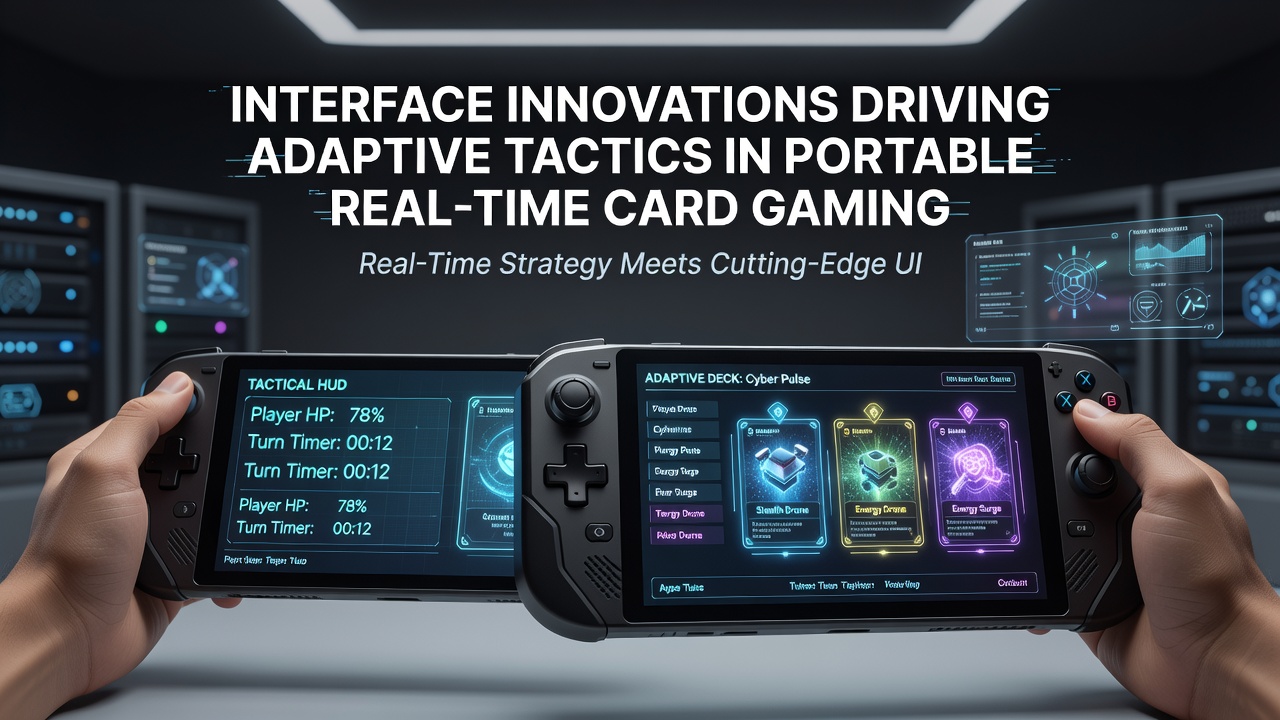
Portable Interface Breakthroughs Reshaping Adaptive Strategies in Live Card Gaming
Developments in portable device interfaces continue to influence how players adjust their approaches during live card sessions on smartphones and tablets, where touch sensitivity, screen responsiveness, and data integration create new layers of interaction that were not available on earlier mobile platforms. Research from the International Gaming Institute at the University of Nevada indicates that gesture recognition systems now allow participants to signal betting adjustments or request additional cards through swipes and taps that the software interprets in milliseconds, while the underlying algorithms track these inputs to refine the displayed options for subsequent hands.
Screen sizes on modern portable hardware have expanded the space available for overlay panels that present probability tables and historical outcome sequences without requiring players to switch applications, and this layout flexibility supports quicker shifts between conservative and aggressive betting patterns as the dealer progresses through the shoe. Data compiled by the Nevada Gaming Control Board shows that sessions conducted on devices with haptic feedback features report higher rates of mid-round strategy modifications compared with standard touchscreens, since vibration cues confirm successful input without diverting visual attention from the live video feed.
Gesture Recognition and Input Refinement
Manufacturers have integrated pressure-sensitive touch layers that distinguish between light and firm contact, enabling players to place larger wagers through deeper presses while lighter taps adjust side bets or insurance decisions, and these distinctions reduce accidental activations that previously disrupted the flow of real-time rounds. Observers note that application updates released in the third quarter of 2025 incorporated machine-learning models trained on millions of player sessions, allowing the interface to anticipate common sequences and pre-load confirmation dialogs that appear only when deviation from the expected pattern occurs.
Adaptive keyboards that resize based on hand position further support precise entry of custom bet amounts during high-stakes moments, while voice-to-text commands remain available as a secondary channel for those who prefer spoken instructions in private environments. Figures released by the Australian Institute of Family Studies reveal that players using these layered input methods complete decision cycles an average of 1.8 seconds faster than those relying on single-mode controls, although the study emphasizes that outcomes remain governed by standard probability distributions.
Real-Time Data Integration and Tactical Adjustments
Live feeds now stream supplementary statistics directly onto the portable screen margins, displaying running counts, remaining deck composition estimates, and historical dealer tendencies without interrupting the video stream, and this continuous data flow permits participants to recalibrate their approach between each hand rather than waiting for pauses in play. Software frameworks developed by major providers embed these metrics within customizable dashboards that users configure according to preferred information density, so a player focused on basic strategy receives minimal overlays while another tracking advanced card-counting variables sees expanded panels.

Cross-device synchronization ensures that a session started on a tablet continues seamlessly on a smartphone if the user changes location, preserving all prior adjustments and statistical displays throughout the transition. Reports from the Singapore Tourism Board on integrated resort operations note that portable interface enhancements have contributed to extended average session durations across monitored platforms, with players utilizing adaptive layouts showing measurable increases in the frequency of mid-shoe tactical shifts.
Future Developments Expected by November 2026
Industry roadmaps presented at the 2025 Global Gaming Expo outline plans for augmented-reality overlays that project virtual card indicators onto the physical table surface viewed through the device camera, and early prototypes already demonstrate reduced latency in marker placement that aligns with dealer movements. Regulatory frameworks in multiple jurisdictions continue to evaluate these innovations for compliance with fairness standards, requiring transparent disclosure of any algorithmic assistance provided to the player interface.
Developers are also testing biometric integration that adjusts displayed recommendations according to detected stress indicators such as heart-rate variability captured through wearable pairings, although implementation remains subject to ongoing privacy assessments. These forthcoming capabilities build upon the foundational touch and gesture systems already deployed, extending the range of adaptive responses available during portable real-time card sessions.
Conclusion
Interface innovations in portable hardware and software have established new pathways for real-time tactical refinement in live card gaming environments, supported by measurable performance data from regulatory and academic sources across multiple regions. Continued refinement of input methods, data presentation, and cross-device continuity will shape how participants interact with live dealer streams through the end of 2026 and beyond, while maintaining the probabilistic foundations that define card game outcomes.